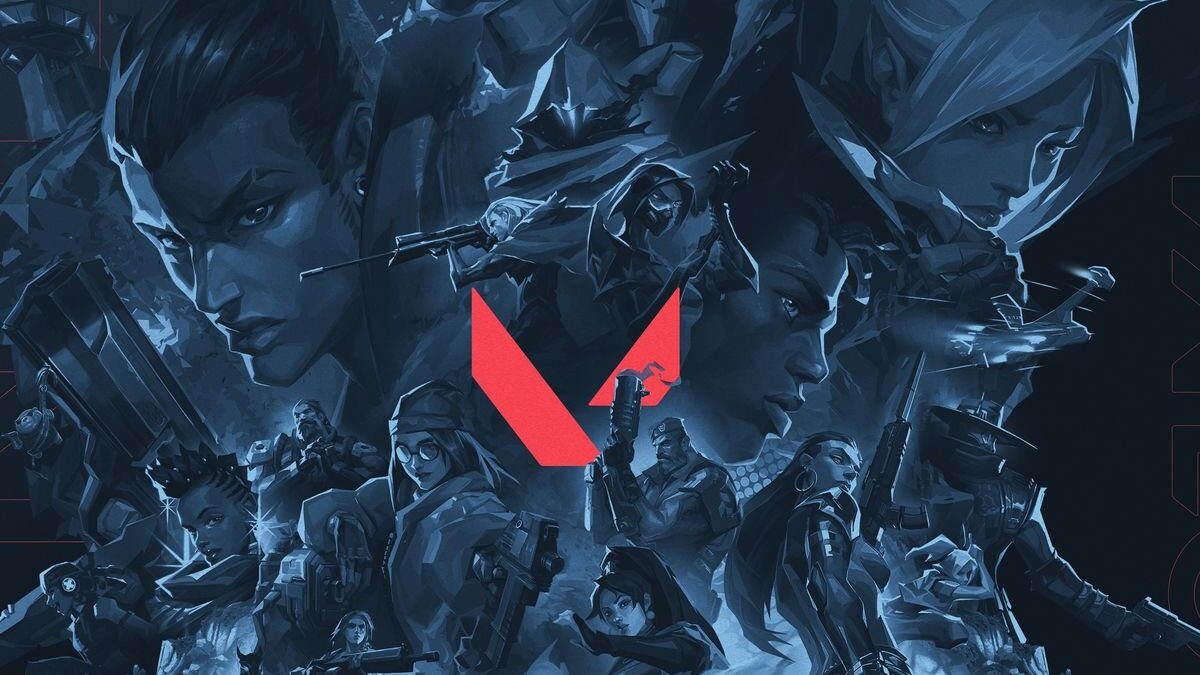
Why Valorant Is Still One of the Best Tactical Shooters in 2026: A Veteran Player's Perspective After Hundreds of Hours
1. Valorant Didn't Just Become Popular. It Changed What Players Expect From a Competitive Shooter.
When Valorant first appeared, many players assumed it would follow the same path as dozens of competitive shooters before it. A huge launch, a flood of Twitch viewers, a few months of excitement, and then a slow decline once the next big title arrived. That prediction sounded reasonable at the time because the FPS market was already crowded, and almost every new release promised to reinvent tactical combat. Yet only a handful managed to keep players invested after the initial hype disappeared.
Several years later, the situation looks completely different. Valorant is no longer simply another tactical FPS competing for attention. It has become part of the daily routine for millions of players, from casual friends queuing after work to aspiring esports professionals grinding ranked matches every night. Instead of fading away, the game has continued to evolve through regular updates, new Agents, map rotations, weapon balancing, and a competitive ecosystem that constantly gives players another reason to return.
The interesting part is that this success cannot be explained by esports alone. Professional tournaments certainly attract huge audiences, but anyone who has spent hundreds of hours inside ranked queues quickly realizes that the real attraction comes from the matches themselves. Every game creates its own story. Some end with a flawless victory, while others become unforgettable because of a single round where everything seemed lost until one teammate somehow turned the situation around. Those moments are difficult to manufacture, yet Valorant produces them naturally almost every session.
One experience that longtime players often share is the feeling before the final round of a close match. The score sits at 12-12, everyone suddenly speaks more carefully over voice chat, abilities are discussed in detail, and even the smallest mistake feels enormous. Your heart races while holding an angle you've defended dozens of times before, but this round somehow feels completely different. Winning that final duel often delivers more excitement than finishing an entire single-player campaign, and that emotional payoff is one of the biggest reasons players keep coming back.
What surprised many veterans over time is how memorable these situations become. Ask someone who has played Valorant for several years about their favorite memory, and they probably won't mention an Agent reveal or a tournament result. Instead, they'll remember their first Ace, the impossible 1v4 clutch that nobody expected, the promotion into Diamond after weeks of failed attempts, or the devastating losing streak that dropped them multiple divisions in one night. Those experiences stay with players because they feel personal rather than scripted.
That emotional connection separates Valorant from many online shooters that rely primarily on constant action. Here, silence often matters more than explosions. Waiting behind a wall while hearing distant footsteps, predicting whether the enemy will fake a site push, deciding whether to rotate or trust your teammate to hold position, these moments create tension that builds naturally instead of forcing excitement through visual effects alone. Every decision carries weight because there are genuine consequences if it goes wrong.
After hundreds of competitive matches, another pattern becomes obvious. Most victories are not decided by incredible aim alone. New players often believe landing headshots is everything, but experienced competitors recognize a different reality. Winning consistently depends just as much on positioning, utility timing, communication, economy management, patience, and understanding how opponents think. A player with average mechanics but excellent decision making frequently outperforms someone with incredible reflexes who rushes into every fight without a plan.
This becomes even more noticeable as players climb the ranked ladder. Lower ranks usually revolve around individual gunfights, but higher-level matches reward discipline instead of reckless confidence. You'll often see teams spend almost an entire minute gathering information before committing to a bomb site. Utility is layered carefully instead of thrown randomly, rotations happen based on subtle clues rather than panic, and players know when refusing a fight is smarter than chasing another elimination. These habits are rarely learned during the first fifty hours. They develop gradually through hundreds of matches, countless mistakes, and painful defeats that teach lessons no tutorial ever could.
Valorant has also benefited from Riot Games' willingness to keep the game evolving instead of allowing the competitive environment to become predictable. Players who joined during Episode One have witnessed enormous changes over the years. Maps have entered and left the competitive pool, several Agents have been redesigned, dominant strategies have disappeared after balance patches, and weapons that once defined the meta no longer hold the same influence today. Veterans often joke that learning Valorant never really ends because every major update forces everyone, regardless of rank, to rethink old habits and discover new approaches.
These updates do more than refresh gameplay. They create fresh conversations within the community. Every patch sparks debates about whether an Agent has become overpowered, whether a weapon nerf went too far, or which team compositions will dominate the next ranked season. For longtime players, reading patch notes has become almost as exciting as playing the game itself because even small numerical changes can completely reshape the strategies seen across competitive matches.
Perhaps that's the clearest sign that Valorant has grown beyond being another online shooter. People no longer log in simply because they enjoy shooting enemies. They return because the game continuously rewards learning, adapting, improving, and sharing experiences with friends. Whether someone spends an evening climbing ranked, practicing lineups in custom games, or laughing over impossible mistakes in an unrated lobby, every session contributes another memorable story. In an era where many multiplayer games struggle to hold players' attention for more than a few months, that ability to create lasting memories may be Valorant's greatest achievement.
2. Why Valorant Feels Different Every Time You Queue for a Match
Most successful multiplayer games rely on a simple formula. They keep players entertained with flashy action, frequent rewards, and an endless stream of unlockables. Valorant certainly has cosmetic skins, battle passes, and seasonal events, but none of those explain why so many players continue logging in after hundreds or even thousands of hours. The real hook lies in something much harder to design. Every match feels unpredictable because the people inside it constantly change the experience. You may play the same map five times in one evening, yet every game unfolds in a completely different way because teammates, opponents, communication, and decision making create unique situations that no developer could script.
That unpredictability becomes obvious once you've spent enough time climbing the ranked ladder. Anyone can remember a match that looked hopeless after losing the pistol round, then suddenly turned around because one teammate adapted to the enemy's habits. Maybe the opposing Jett kept dashing aggressively into Mid every round, so your Cypher adjusted his utility and shut her down three rounds in a row. Small adaptations like these rarely appear in highlight videos, but experienced players know they're often the moments that decide an entire match. Valorant constantly rewards players who observe instead of rushing, and that's one reason every victory feels earned rather than handed out.
3. Pressure Is the Real Enemy, Not the Opposing Team
New players often think Valorant is a game about aiming. After a few dozen competitive matches, most discover that pressure is the real challenge. Landing shots in the Practice Range is easy because nothing is at stake. Hitting the exact same shot during overtime with four teammates spectating is an entirely different experience. Even experienced players occasionally feel their hands tighten when they become the last person alive, knowing one mistake could erase forty minutes of work.
Almost everyone who has played ranked seriously has experienced that strange silence after teammates are eliminated. Voice chat suddenly goes quiet except for brief callouts. You hear footsteps somewhere near the site, your utility is almost gone, and the spike timer keeps ticking. Those seconds seem much longer than they actually are. Win the round and everyone celebrates as though the match has already ended. Lose it, and you immediately replay every decision in your mind, wondering if holding a different angle or waiting one more second would have changed everything. Very few competitive shooters recreate this kind of psychological tension so consistently.
Interestingly, these situations teach lessons that extend beyond mechanical skill. Longtime players become noticeably better at staying calm under pressure because panic almost always leads to poor decisions. Chasing an unnecessary duel, peeking before teammates are ready, or wasting utility out of frustration are mistakes nearly every player has made. Over time, experienced competitors realize that emotional control often contributes more to winning than raw reaction speed.
4. Every Agent Changes More Than Just Your Abilities
One of Valorant's greatest strengths is how each Agent encourages players to approach the game differently. Choosing an Agent isn't simply selecting a collection of abilities. It often changes the way you think throughout the entire match. Someone who spends months playing Duelists gradually becomes comfortable creating space and taking calculated risks. Meanwhile, players who main Controllers learn patience because every smoke placement can influence the next thirty seconds of a round.
Veteran players usually notice something interesting after switching roles for an extended period. Their understanding of the game improves dramatically because they begin recognizing what teammates actually need. A Duelist who has spent time playing Omen suddenly understands why smoking too early can hurt the entire execute. Likewise, a Sentinel player who experiments with Jett starts appreciating how difficult entry fragging really is. These experiences create better teamwork because players stop expecting perfection from roles they previously misunderstood.
This variety also prevents the gameplay from becoming repetitive. Spending several evenings mastering Sova lineups feels completely different from practicing aggressive Raze satchel entries or learning complex Astra utility combinations. Each Agent introduces another layer of mastery that keeps experienced players invested long after they've memorized every map.
5. Hundreds of Hours Reveal Details New Players Never Notice
The longer someone plays Valorant, the more subtle the game becomes. Beginners focus almost entirely on visible action, but veterans start paying attention to information that rarely appears on the scoreboard. The timing of footsteps, the number of abilities already used, the enemy's economy, and even small patterns in how opponents rotate all become valuable clues.
For example, experienced players often recognize fake executes long before newer players do. If attackers commit several abilities but nobody follows immediately, alarm bells start ringing. Likewise, hearing only one smoke instead of two can suggest the opposing Controller is saving utility for a later push. These tiny observations rarely make dramatic clips on social media, yet they frequently decide close matches.
There are also habits that almost every longtime player develops naturally. Many stop reloading immediately after every elimination because they've learned how often another opponent appears within seconds. Crosshair placement becomes automatic instead of something they consciously think about. They check common corners almost without realizing it, and they instinctively avoid repeating the same aggressive peek after being punished once. None of these improvements happen overnight. They emerge gradually through hundreds of matches where every mistake becomes another lesson.
Perhaps the clearest difference between beginners and veterans is patience. New players often feel the need to make something happen every few seconds. Experienced competitors understand that sometimes the strongest play is simply waiting. Holding an angle for twenty seconds may seem boring from the outside, but forcing an impatient opponent into a bad decision often wins rounds with far less risk than charging forward. That understanding only develops after spending enough time inside competitive matches to appreciate how often restraint beats aggression.
As players gain more experience, they also begin recognizing how much the game's meta evolves from season to season. Strategies that dominated one Episode can become far less effective after a balance patch, encouraging everyone to rethink familiar habits instead of relying on routines that no longer work. This constant evolution ensures that even veterans with thousands of hours still find new situations to analyze, new tactics to test, and new reasons to keep improving, which helps explain why Valorant continues to feel fresh years after its original release.
6. How the Meta Keeps Changing and Forces Players to Learn Again
If you've been playing Valorant since its early Episodes, you've probably noticed that mastering the game is never a permanent achievement. Every major update has the potential to change the competitive landscape, sometimes in obvious ways and sometimes through tiny balance adjustments that only reveal their impact weeks later. Riot Games rarely lets the meta stay comfortable for too long, and while that can be frustrating after finally perfecting a strategy, it's also one of the biggest reasons the game continues to feel alive.
Veteran players still remember periods when Chamber completely dominated ranked matches. Nearly every team wanted one because his defensive utility and powerful weapons allowed skilled players to control entire sections of the map almost by themselves. Then came a series of balance changes that significantly reduced his influence. Suddenly, players who had relied on Chamber for months had to relearn positioning, experiment with different Agents, and rethink how they approached defensive rounds. It wasn't simply about choosing another character. It meant adapting to a completely different rhythm of play.
Map rotations have produced similar effects throughout Valorant's lifespan. Whenever a familiar map leaves the competitive pool and another returns, players often discover that muscle memory alone is no longer enough. You may know every corner of Haven, but if Lotus becomes the primary ranked map for the season, success depends on learning fresh rotations, updated callouts, and new post-plant strategies. Even experienced players spend their first few matches making mistakes because the competitive environment constantly evolves.
Weapon balancing also changes the way people approach gunfights. There have been periods when the Spectre dominated eco rounds, moments when the Stinger became surprisingly effective after specific adjustments, and patches that subtly shifted how players viewed the Phantom versus the Vandal debate. These updates rarely transform the game overnight, but over dozens of matches they influence buying decisions, economy management, and team compositions far more than many casual players realize.
The interesting part is that longtime players often enjoy these changes despite complaining about them at first. Learning fresh strategies brings back the excitement that existed during the early days of playing Valorant. Instead of repeating the same routine every evening, everyone starts experimenting again. Content creators publish new lineup guides, professional teams introduce unexpected compositions, and ranked players spend weeks figuring out which tactics genuinely work instead of blindly copying old habits.
7. Ranked Isn't Just About Climbing. It's About Understanding Yourself as a Player
Many people begin playing ranked with one clear goal: reach a higher rank. Iron, Bronze, Silver, Gold, Platinum, Diamond, Ascendant, Immortal, or Radiant all represent milestones that feel meaningful. Yet after several seasons, many experienced players realize something unexpected. The badge beside their name matters far less than the journey required to earn it.
Almost every competitive player experiences periods where nothing seems to go right. One evening ends with six consecutive wins and confidence reaches its highest point. The next night delivers seven frustrating losses despite playing almost the same way. These streaks can feel unfair, especially when teammates disconnect or communication completely falls apart. At first, many players blame matchmaking. After enough experience, however, they begin reviewing their own decisions instead.
That shift in mindset marks a major turning point. Instead of asking why teammates played poorly, experienced competitors ask different questions. Did I rotate too early? Could I have saved my utility for the execute? Did I overpeek after securing the first elimination? Was buying a rifle actually the smartest economic decision? These questions lead to consistent improvement because they focus on factors the player can actually control.
One habit shared by many high-ranked players is watching their own gameplay after difficult losses. Seeing mistakes from a spectator's perspective often reveals problems that felt invisible during the match itself. Maybe crosshair placement drifted lower during stressful moments. Maybe positioning became predictable after winning early duels. These aren't glamorous discoveries, but fixing them gradually produces much more reliable improvement than endlessly changing sensitivity or purchasing a new gaming mouse.
8. The Moments Every Valorant Player Instantly Recognizes
Some experiences are almost universal within the Valorant community. Mention them to anyone with a few hundred hours in the game, and they'll probably smile because they've lived through the exact same situation.
Everyone remembers accidentally pulling out utility at the worst possible moment, only to be eliminated before using it. Almost every player has flashed their own teammates at least once while trying to make an aggressive play. Nearly everyone has celebrated an apparent victory before realizing the spike still needed to be defused. These mistakes become funny stories later, but they feel devastating while they happen.
There is also the unforgettable feeling of finally winning a clutch after failing several similar situations earlier in the evening. That single successful round often restores confidence immediately. Suddenly your aim feels sharper, communication becomes clearer, and risky decisions seem easier to judge. Momentum in Valorant isn't just mechanical. It's psychological, and experienced players know how dramatically confidence can influence performance.
Then there are the unforgettable rank-up games. Almost everyone has entered a promotion match convinced this would finally be the moment they reached the next division. The pressure feels noticeably different before the first pistol round even begins. Every death seems more frustrating than usual, every mistake carries extra weight, and every victory feels slightly closer to achieving a long-term goal. Whether the promotion succeeds or fails, those matches are remembered far longer than ordinary ranked games because the emotional investment is so much higher.
Players who queue regularly with friends experience another side of Valorant that statistics never capture. Some of the funniest moments happen during complete disasters. An entire team accidentally buying the wrong weapons, someone forgetting they have the spike, or a perfectly planned execute collapsing because everyone entered the wrong site can turn frustrating defeats into memories that remain entertaining years later. These shared experiences explain why many players continue returning even after difficult losing streaks. The game creates stories worth retelling, not just victories worth counting.
Ultimately, that's where Valorant distinguishes itself from many other competitive shooters. The mechanics are excellent, the tactical depth is impressive, and the esports scene continues to grow, but those qualities alone wouldn't sustain such a dedicated community. What keeps players invested is the combination of personal improvement, constantly evolving gameplay, unforgettable moments under pressure, and the friendships built through thousands of rounds that rarely unfold the same way twice.
9. Why Mechanical Skill Alone Won't Carry You Forever
Every competitive shooter attracts players who believe raw aim solves everything. During your first few dozen matches, that assumption can even seem true. Landing clean headshots often compensates for poor positioning or questionable decisions because lower-ranked opponents make just as many mistakes. As the competition becomes stronger, though, the game begins rewarding a completely different skill set. Gunplay still matters, but it becomes only one piece of a much larger puzzle.
Players who reach the upper ranks rarely take unnecessary fights. They understand that surviving with information is often more valuable than chasing an extra elimination. Instead of swinging every corner hoping to outgun someone, they force opponents into uncomfortable situations. Sometimes that means waiting an extra ten seconds before peeking. Other times it means falling back after getting the opening kill rather than trying to collect a second. These choices don't always produce flashy highlights, but they win matches surprisingly often.
One lesson that many longtime players eventually learn is that Valorant punishes impatience more than almost any other modern FPS. There have been countless rounds where one careless peek completely changed the outcome of an otherwise perfect defensive setup. Everyone has experienced that moment where the team holds a comfortable five-versus-three advantage, only to lose because someone pushed alone looking for another kill. After enough painful defeats, experienced players begin respecting discipline just as much as mechanical talent.
Crosshair placement offers another perfect example of how small habits separate average competitors from elite ones. Newer players usually react after spotting an opponent. Veterans expect where the enemy is likely to appear and keep their crosshair there before contact even happens. The difference might only save a fraction of a second, yet across hundreds of rounds those tiny advantages accumulate into dozens of additional eliminations. It's one of those improvements that feels almost invisible while developing, but impossible to ignore once it becomes second nature.
10. Communication Wins More Games Than Incredible Aim
Ask experienced players what frustrates them most during ranked matches, and surprisingly few will mention teammates with weak mechanics. Poor communication is almost always a bigger problem. A player with average aim who consistently provides accurate information contributes far more than someone who finishes with thirty eliminations but refuses to communicate throughout the match.
Simple callouts can completely reshape a round. Knowing that two opponents were spotted rotating through Mid allows teammates to reposition before the execute begins. Hearing that an Operator is holding a particular angle saves someone from walking into an unnecessary death. Even sharing something as basic as enemy utility usage helps teammates predict what options remain available later in the round.
Players who regularly queue with the same group notice this difference immediately. Conversations become shorter, cleaner, and more efficient over time. Instead of everyone talking at once, teammates instinctively understand which information matters most. A quick call that an enemy Controller has already used both smokes often proves more valuable than describing every movement happening across the map.
Longtime players also learn that communication isn't limited to tactical information. Maintaining a positive atmosphere during difficult matches can be equally important. Everyone has experienced games where one player begins blaming teammates after losing a few rounds. Confidence disappears almost instantly, decision making becomes rushed, and mistakes multiply. On the other hand, teams that remain calm after early setbacks frequently stage impressive comebacks simply because nobody allows frustration to dictate their decisions.
This becomes especially noticeable during overtime. Mechanical skill between both teams is often relatively equal at that stage. The deciding factor usually comes down to which team continues communicating clearly while pressure reaches its highest point. Calm voices create better decisions, and better decisions often create victories.
11. Watching Professional Valorant Changes the Way You Play
Many players start watching tournaments purely for entertainment, but professional matches quickly become educational. The pace feels slower than ranked games at first because professionals rarely waste movement or utility. Every smoke, flash, recon ability, and rotation serves a specific purpose. Instead of relying on individual hero plays, teams construct rounds through coordinated decisions that unfold over nearly two minutes.
One of the biggest surprises for newer viewers is how often professional players simply wait. Spectators expecting constant action sometimes wonder why nothing seems to happen during the opening thirty or forty seconds. Experienced viewers recognize that this quiet period is filled with information gathering. Teams test defensive setups, force utility usage, identify weak areas, and patiently search for opportunities before fully committing.
Bringing even a small portion of that mindset into ranked dramatically improves consistency. Rather than rushing toward the nearest duel, players begin asking different questions. Which defender usually anchors this site? Have they already used important utility? Is the enemy likely expecting an immediate execute, or would delaying the attack create a better opportunity? These questions transform gameplay from reactive to deliberate.
Professional matches also highlight something that casual players often underestimate. Economy management decides far more rounds than people realize. Successful teams constantly evaluate whether forcing rifles makes sense, whether saving weapons creates better long-term value, or whether sacrificing one round improves the chances of winning the next three. Players who begin thinking this way often discover that ranked becomes significantly more manageable because their decisions extend beyond the current round.
12. The Community Has Grown Alongside the Game
Valorant today feels very different from the version many players experienced during its launch year. The player base has matured, strategies have become far more sophisticated, and educational content is available almost instantly after every update. Whether someone wants advanced lineups, coaching sessions, VOD reviews, or detailed explanations of new Agent interactions, the community has created resources for nearly every aspect of the game.
Content creators have played a major role in this evolution. Instead of focusing exclusively on entertaining clips, many now break down positioning mistakes, explain why professional teams make certain decisions, or analyze balance changes immediately after patch notes appear. Players no longer have to discover every strategy through trial and error. They can learn from thousands of hours of collective experience shared across videos, streams, and community discussions.
That accessibility has raised the overall skill level across every rank. Techniques that once appeared only in professional tournaments now regularly appear in Platinum and Diamond lobbies. Coordinated utility combinations, advanced crossfires, fake site executions, and carefully planned retakes have gradually become standard knowledge rather than rare exceptions.
Even so, Valorant still rewards creativity. Every new Agent introduces fresh interactions that the community spends weeks exploring. Unusual utility combinations occasionally become part of the competitive meta, while clever positioning discovered by ordinary ranked players sometimes spreads throughout the entire community after a single viral clip. This continuous exchange of ideas keeps the game evolving far beyond official balance patches.
Perhaps that's the most impressive achievement Riot Games has accomplished. Instead of building a shooter that players eventually solve, they've created one where the community continues discovering new possibilities years after release. Every season brings another opportunity to refine strategies, adapt to fresh metas, and uncover interactions that nobody noticed before. That sense of ongoing discovery ensures that even players with thousands of hours logged still enter new matches believing they might learn something they didn't know yesterday.
13. Common Mistakes That Hold Most Valorant Players Back
One of the biggest misconceptions about Valorant is that climbing the ranked ladder simply requires better aim. Spend enough time playing, and you'll realize that mechanical skill is only part of the equation. Many players remain stuck in the same rank for months because they repeat the same habits every match without recognizing what's actually limiting their progress. Improving in Valorant isn't about finding a magical sensitivity or copying a professional player's crosshair. It's about identifying small mistakes that quietly cost rounds over and over again.
A common example is overcommitting after getting the first kill. Almost everyone has experienced the excitement of winning an opening duel, only to immediately swing again searching for another elimination. Sometimes it works, but more often the enemy team trades the kill and suddenly the advantage disappears. Experienced players usually do the opposite. They secure the opening pick, fall back to a safer position, and force the opponents to play from behind. It may not look spectacular on stream, but this habit alone can dramatically increase your win rate over dozens of matches.
Utility management is another area where newer players often struggle. Smokes thrown too early, flashes used without teammate support, or Recon abilities fired into obvious positions rarely provide lasting value. After hundreds of hours, most veteran players become far more patient. Instead of using every ability as soon as the round begins, they save key utility for moments that truly matter, such as delaying a late execute or creating space during a retake. That patience often makes the difference between winning and losing close rounds.
Another mistake that rarely gets discussed is predictable positioning. Many players instinctively return to the same corner every defensive round because it worked once before. Skilled opponents notice these patterns surprisingly quickly. If you've ever been pre-fired before even seeing the enemy, there's a good chance your positioning had become too predictable. Experienced competitors constantly rotate between different angles, alter their timing, and occasionally play unexpected positions simply to keep opponents guessing.
Perhaps the most damaging habit of all is blaming teammates for every defeat. Anyone who has spent time in ranked knows how easy it is to point fingers after a difficult match. Yet players who consistently improve usually focus on the decisions they personally controlled. They review missed opportunities, poor rotations, unnecessary peeks, and economy mistakes instead of dwelling on factors outside their influence. This mindset doesn't guarantee instant rank progression, but over the course of an entire season, it creates far more consistent improvement than simply hoping for better teammates.
14. Why Valorant Continues to Dominate Streaming Platforms
Watching Valorant is a surprisingly different experience from playing it, yet the same elements that make the game enjoyable for competitors also make it compelling for spectators. Unlike many fast-paced shooters where chaotic visual effects overwhelm the screen, Valorant maintains a level of clarity that allows viewers to understand exactly what's happening. Even someone unfamiliar with the game can immediately recognize when a player is alone against multiple opponents or when a team has only seconds left to plant the Spike.
That clarity creates suspense naturally. A 1v3 clutch isn't exciting because of flashy animations. It's exciting because viewers understand the stakes. Every footstep matters, every reload becomes a potential risk, and every second increases the tension. By the time the final duel begins, thousands of spectators are holding their breath alongside the player.
Longtime viewers often notice another strength that separates Valorant from many esports titles. Every professional player has a recognizable style. Some dominate through unbelievable aim, while others earn respect through exceptional game sense or flawless utility usage. This diversity makes tournaments far more interesting because victory rarely depends on a single skill. Different teams succeed using different philosophies, and that variety keeps the professional scene feeling fresh year after year.
Streaming has also helped ordinary players improve. Watching high-level ranked gameplay exposes viewers to positioning, utility combinations, economy decisions, and communication habits that rarely appear in lower-ranked matches. Many players credit streamers or professional tournaments for teaching them strategies that immediately translated into better ranked performance. Instead of simply providing entertainment, Valorant content has become an educational resource for players trying to climb the competitive ladder.
The rise of short-form content has amplified this effect even further. A single clutch uploaded to social media can inspire thousands of players to recreate the same play later that evening. Creative lineups spread across the community within hours, unusual Agent combinations quickly gain popularity, and hidden mechanics are often discovered through clips shared by everyday players rather than developers. This constant exchange of ideas helps keep the community engaged between major updates.
15. How Valorant Has Evolved Since Launch
Players who joined Valorant during its first year would probably agree that today's version feels almost like a different game. The core objective remains unchanged, but countless adjustments over the years have reshaped how matches are played. New Agents have introduced entirely new tactical possibilities, several maps have been redesigned to improve competitive balance, and weapon tuning has continually shifted the preferred strategies used in ranked and professional play.
Early versions of the game relied heavily on certain dominant Agents whose abilities offered overwhelming value in almost every situation. As Riot Games gathered more data and community feedback, balance updates gradually diversified the meta. Instead of seeing the same team compositions every match, players now encounter a much wider variety of strategies depending on the map, individual playstyles, and current patch.
Map design has also matured considerably. Areas that once favored defenders too heavily have been adjusted, sightlines have been refined, and layout changes have encouraged more creative approaches to attacking and retaking bomb sites. These improvements may appear subtle at first glance, but experienced players immediately recognize how much smoother the gameplay feels compared to earlier Episodes.
Competitive systems have evolved alongside the gameplay. Rank distribution, matchmaking quality, anti-cheat measures, and performance tracking have all received significant attention over the years. While no online competitive game is ever completely free from issues, Valorant has consistently shown a willingness to refine systems that directly impact player experience.
Veteran players often describe this ongoing evolution as one of the game's greatest strengths. Just when the community begins mastering a particular strategy, another update introduces fresh possibilities. Instead of allowing the competitive environment to become stagnant, each new Episode encourages players to rethink familiar tactics and continue learning. That continuous cycle of adaptation has become a defining characteristic of Valorant and a major reason why so many players remain invested years after their first match.
16. What the Future Looks Like for Valorant
Few competitive games manage to stay relevant for more than a couple of years. The genre moves quickly, player expectations evolve even faster, and every year introduces another shooter promising to become the next big thing. Valorant has already survived that cycle several times, and its ability to remain one of the most played tactical FPS games suggests it has built something much more sustainable than short-term popularity.
A major reason is Riot Games' commitment to treating Valorant as a live service rather than a finished product. Every Episode introduces adjustments that keep the competitive scene moving forward. Some patches focus on balancing Agents that dominate the meta, while others redesign maps or refine gameplay systems that players have debated for months. These updates don't simply add new content. They encourage the community to experiment, challenge old strategies, and rethink the way the game is played.
Artificial intelligence is also beginning to influence how players improve. Coaching tools, aim trainers, replay analysis software, and detailed performance tracking are becoming increasingly common. Instead of relying solely on instinct, players can now review heat maps, compare statistics across multiple matches, and identify weaknesses that would have been difficult to notice a few years ago. As these tools become more advanced, the average skill level across every rank is likely to continue rising.
The esports ecosystem continues strengthening as well. International tournaments now attract millions of viewers, regional leagues have become more competitive, and young players increasingly view professional gaming as a realistic career path rather than an impossible dream. Every major event inspires thousands of ranked players to practice new strategies, experiment with different Agents, and refine their teamwork. The relationship between professional competition and the everyday player base has become one of Valorant's strongest assets.
Looking ahead, it's difficult to imagine the game standing completely still. New Agents will reshape team compositions, fresh maps will introduce unfamiliar tactical challenges, and balance updates will continue forcing experienced players to adapt. While the details remain unknown, one thing seems almost certain. Valorant will continue rewarding players who are willing to learn instead of those who rely only on habits built years earlier.
17. Is Valorant Worth Playing in 2026?
For someone completely new to tactical shooters, Valorant can feel intimidating during the first few hours. The learning curve is steeper than many modern multiplayer games, and early matches often expose mistakes that beginners don't even realize they're making. Crosshair placement, utility timing, map knowledge, economy management, communication, and positioning all require practice before they become natural.
That challenge, however, is exactly what makes improvement feel so satisfying. Every new rank, every successful clutch, and every strategy that finally works creates a genuine sense of progress. Unlike games where progression depends mainly on unlocking equipment or completing daily challenges, Valorant rewards players with something much more meaningful. It rewards better decision making.
Veteran players often say the game becomes more enjoyable after the first hundred hours rather than during them. That might sound unusual, but it reflects how much depth exists beneath the surface. Once the basic mechanics become automatic, attention shifts toward reading opponents, coordinating with teammates, predicting rotations, and understanding the psychological battle unfolding throughout every match. The game gradually transforms from a shooter into a strategic competition where every decision matters.
Another reason Valorant remains relevant is its flexibility. Some players enjoy grinding ranked every evening in pursuit of Immortal or Radiant. Others prefer casual matches with friends where the focus is conversation rather than competition. There are players who spend hours creating custom game strategies, experimenting with lineups, or practicing movement, while many simply enjoy watching professional tournaments without feeling the need to compete at the highest level themselves. The game supports all of these playstyles without forcing everyone toward a single objective.
Of course, Valorant isn't perfect. Ranked can occasionally become frustrating, balance changes sometimes divide the community, and every competitive multiplayer game experiences moments of toxicity. Yet despite these challenges, the core gameplay continues to deliver something that very few shooters consistently achieve. Every match feels meaningful because success depends on the choices made by real people rather than scripted events or random chance.
18. Conclusion
Valorant has earned its place among the greatest tactical shooters not because it follows industry trends, but because it understands what keeps competitive players invested for years. It combines precise gunplay with deep strategy, encourages teamwork without eliminating individual skill, and constantly evolves through updates that prevent the experience from becoming repetitive.
After spending hundreds of hours inside ranked matches, one lesson becomes impossible to ignore. The players who improve the most are rarely the ones with the fastest reactions. They are the players who stay calm under pressure, communicate clearly, learn from defeats, and adapt whenever the game changes. That philosophy extends beyond Valorant itself. Improvement comes from consistency, patience, and a willingness to keep learning even after reaching new milestones.
Perhaps that's why so many players continue returning season after season. They're not simply chasing another victory or another rank badge. They're chasing the satisfaction that comes from executing a perfectly coordinated strategy, winning a seemingly impossible clutch, or overcoming mistakes that once held them back. Those moments feel authentic because they can't be purchased, unlocked, or scripted. They have to be earned.
As the tactical shooter genre continues evolving, Valorant remains one of the strongest examples of how competitive games can create lasting communities instead of temporary audiences. It isn't just a place to test mechanical skill. It's a game where teamwork, adaptation, experience, and personal growth shape every match. For anyone willing to invest the time, the journey becomes just as rewarding as the destination.
19. Frequently Asked Questions (FAQ)
Is Valorant still worth playing in 2026?
Absolutely. Valorant remains one of the strongest tactical shooters available thanks to its active player base, regular content updates, balanced competitive ecosystem, and thriving esports scene. New Agents, map rotations, gameplay adjustments, and seasonal events ensure that the experience rarely feels outdated. Whether you're looking for a casual shooter to enjoy with friends or a highly competitive game with a long learning curve, Valorant continues to offer excellent value.
Is Valorant difficult for beginners?
The first few hours can feel overwhelming, especially if you've never played a tactical FPS before. New players need time to understand crosshair placement, economy management, map layouts, utility usage, and communication. The good news is that improvement feels very rewarding because every new skill immediately translates into better performance. Most experienced players agree that the game becomes significantly more enjoyable after spending enough time learning its fundamentals.
How many hours does it take to become good at Valorant?
There's no fixed answer because every player learns at a different pace. Many players begin feeling comfortable after 100 to 200 hours, while reaching higher competitive ranks often requires several hundred more. Longtime players usually notice that the biggest improvements don't come from better aim alone. They come from learning positioning, reading opponents, managing pressure, and making smarter decisions throughout each round.
Which Agent should beginners start with?
Beginners generally benefit from Agents with straightforward abilities that help them focus on learning the core mechanics of the game. Sage is an excellent choice because her healing and support abilities remain useful even when mechanical skill is still developing. Brimstone also provides an easy introduction to Controller gameplay thanks to his simple smoke placement. Players who prefer aggressive gameplay often enjoy Phoenix because his abilities are easy to understand while encouraging confidence during gunfights.
Does playing ranked actually improve your skills?
In most cases, yes. Ranked matches expose players to stronger opponents, more organized teamwork, and situations that require better decision making. Losing competitive games can be frustrating, but those matches often provide the most valuable lessons. Reviewing mistakes, adapting to different playstyles, and maintaining good communication usually contribute far more to long-term improvement than simply winning every match.
What makes Valorant different from other tactical shooters?
Valorant successfully combines precise gunplay with unique Agent abilities without allowing either system to completely overshadow the other. Mechanical skill remains important, but teamwork, communication, positioning, utility usage, and strategic planning are equally valuable. The result is a game where every match feels different, every update introduces fresh tactical possibilities, and players continue discovering new strategies even after hundreds or thousands of hours.
Why do so many players keep returning to Valorant?
The biggest reason is that no two matches ever feel exactly the same. One evening might be remembered because of an incredible overtime comeback, while another becomes memorable thanks to a perfectly coordinated strategy with friends. The combination of personal improvement, competitive intensity, constantly evolving gameplay, and unforgettable clutch moments creates an experience that keeps players invested long after the excitement of unlocking new content has faded.
Can you play Valorant casually without focusing on ranked?
Definitely. Although ranked is the most popular mode for competitive players, Valorant also supports a much more relaxed experience. Unrated, Swiftplay, Spike Rush, Deathmatch, Team Deathmatch, Escalation, and custom games all provide different ways to enjoy the game without worrying about competitive rankings. Many longtime players alternate between ranked and casual modes depending on whether they want serious competition or simply a fun session with friends.