



1. Vice City Feels Bigger Before You Understand How Its Roads Connect
The first hours of GTA Vice City often make the map feel much larger than it actually is, mainly because players have not yet understood how districts connect, which roads are efficient, where bridges lead, or which streets become problematic during police chases, while modern open world games tend to remove this uncertainty quickly through detailed navigation systems, persistent markers, and optimized routes that prevent players from getting lost, Vice City instead leaves that responsibility to the player.
This difference changes how geography is experienced, because a road is no longer just a line between two objectives, as choosing the wrong direction can significantly increase travel time, especially after failing a mission and needing to retry, which gradually turns bridges into key reference points, intersections into recognizable landmarks, and previously unrelated locations into a connected mental network built through repetition.
The map becomes easier not because it changes, but because the player adapts, as routes that once required constant checking eventually become automatic, and missions that once felt distant begin to feel close simply because the path is already known before starting.
This process gives Vice City a unique strength, since players are not just unlocking icons but developing practical spatial knowledge, and that knowledge becomes one of the most meaningful forms of progression in the game.
2. Mission Failure Is Harsh by Modern Standards, but It Forces Geography to Matter
Vice City comes from a time when failing a mission could be inconvenient in ways modern games rarely allow, since checkpoints were limited, preparation could be lost, vehicles might need to be found again, and retries often required physically returning to the mission instead of restarting instantly.
Although this design feels outdated in terms of convenience, it unintentionally creates a benefit, because repeated travel forces players to learn routes deeply, making them remember which roads are efficient not through tutorials but through frustration and repetition.
Failure also encourages preparation outside missions, as knowing where to find weapons, armor, vehicles, and safe approaches can make retries smoother, meaning that knowledge gained between missions directly affects success within them.
This creates a different type of difficulty, where the game tests understanding of the environment rather than just combat skill, even though the system is not always elegant and can feel frustrating compared to modern standards, it still gives map knowledge real value because familiarity reduces friction over time.

3. Cars Are Not Just Transportation Because the Wrong Vehicle Can Ruin an Otherwise Good Plan
Vehicle choice in Vice City matters more than it initially seems, because the combination of older driving physics, traffic behavior, and mission design can quickly punish poor decisions, meaning that a fast car might save time on long roads but become difficult to control in tight areas, while heavier vehicles offer durability but struggle with speed and maneuverability.
As players gain experience, they begin choosing vehicles based on situations rather than speed alone, since motorcycles provide mobility but increase risk, sports cars offer speed but can be fragile, and larger vehicles may feel slow but become useful when durability is more important than agility.
This turns preparation into both a mechanical and spatial process, because knowing where to find reliable vehicles becomes part of map knowledge, and certain locations become memorable simply because they consistently provide useful resources before difficult missions.
As a result, even familiar routes feel different depending on the vehicle used, since handling, acceleration, durability, and traffic interaction all influence how the journey unfolds, which gives the city’s roads practical importance beyond simple movement.
4. Properties Gradually Turn the City From a Collection of Districts Into a Network of Useful Places
Property ownership in Vice City is often associated with progression and wealth, but it also reshapes how players understand the map, because each acquired location becomes a functional anchor within a district, connecting economic growth with spatial familiarity.
Before owning properties, players mostly experience the city as routes between missions, but once locations become personally useful, districts gain clearer identities, as certain areas become associated with income, saving progress, vehicles, or recurring activities, making the city easier to organize mentally.
This is why property progression feels meaningful beyond money, since it changes how locations function, and as more properties are acquired, the city transforms from a large unfamiliar space into a network of known destinations connected by familiar routes.
Over time, travel becomes less about navigation and more about memory, and although this progression is subtle and not measured directly, it significantly changes how players move through the world.

5. A Smaller Map Gives Landmarks More Responsibility
Unlike modern open world games that rely on massive scale, Vice City operates within tighter spatial limits, which means landmarks must carry more weight in helping players recognize different areas, as buildings, roads, coastlines, bridges, and intersections all serve both visual and navigational purposes.
Because the map is compact, locations are encountered repeatedly from different contexts, so a street seen during a mission might later become part of an escape route or a shortcut, gradually gaining meaning through reuse rather than constant novelty.
This creates density through repetition, since the same space can serve multiple roles depending on the situation, whether it is simple travel or a high-pressure chase where every turn matters.
As a result, the map’s smaller size becomes a strength, because it allows players to learn it deeply, turning geography into a skill rather than just a backdrop.
6. Police Chases Reveal Whether You Know the City Better Than the Game Knows Your Destination
Police chases in Vice City transform familiar roads into dynamic challenges, because the shortest route is not always the safest, and traffic, collisions, and pursuit vehicles turn every intersection into a decision point.
In these moments, map knowledge becomes crucial, as players who rely only on direction may follow obvious paths, while those who understand the city can adapt routes based on road width, escape options, and situational awareness.
The older driving system adds unpredictability, since a single mistake can undo progress, meaning that success depends on continuous adjustment rather than perfect execution.
Because players revisit the same roads frequently, these chases add new meaning to familiar locations, turning ordinary intersections into memorable escape points and giving the city additional layers of significance.

7. Vice City’s Old Design Often Demands Preparation Where Modern Games Prefer Convenience
Vice City clearly shows its age through less forgiving mission design, older controls, and limited checkpoints, which can make certain objectives frustrating and retries time-consuming, yet these limitations also create a style of play where preparation becomes essential.
Knowing that failure has consequences encourages players to gather weapons, health, and suitable vehicles beforehand, and after one failed attempt, the next often begins with adjustments based on what was learned, creating a loop between knowledge and execution.
Although the game lacks modern planning systems, players naturally develop their own preparation habits, since experience teaches them what to expect and how to respond.
While modern convenience reduces frustration, it can also reduce the importance of the world outside missions, whereas Vice City keeps that space relevant by making preparation part of success.
8. Vice City Remains Memorable Because Eventually You Navigate by Recognition Instead of Instruction
The strongest sign of Vice City’s effective world design appears when the minimap becomes less necessary, as repeated missions, travel, and exploration gradually allow players to recognize routes instinctively rather than relying on guidance.
Bridges suggest nearby districts, intersections indicate directions, and buildings confirm locations, creating a form of immersion based on familiarity rather than realism.
This familiarity comes from procedural memory, as players learn the city through repetition, making it feel similar to knowing a real place, even though the simulation itself is not highly realistic.
Returning to the game later often feels natural because these spatial memories persist, even if other details are forgotten, although this also highlights the map’s limitations once everything becomes known, reducing exploration but reinforcing memorability.
Conclusion
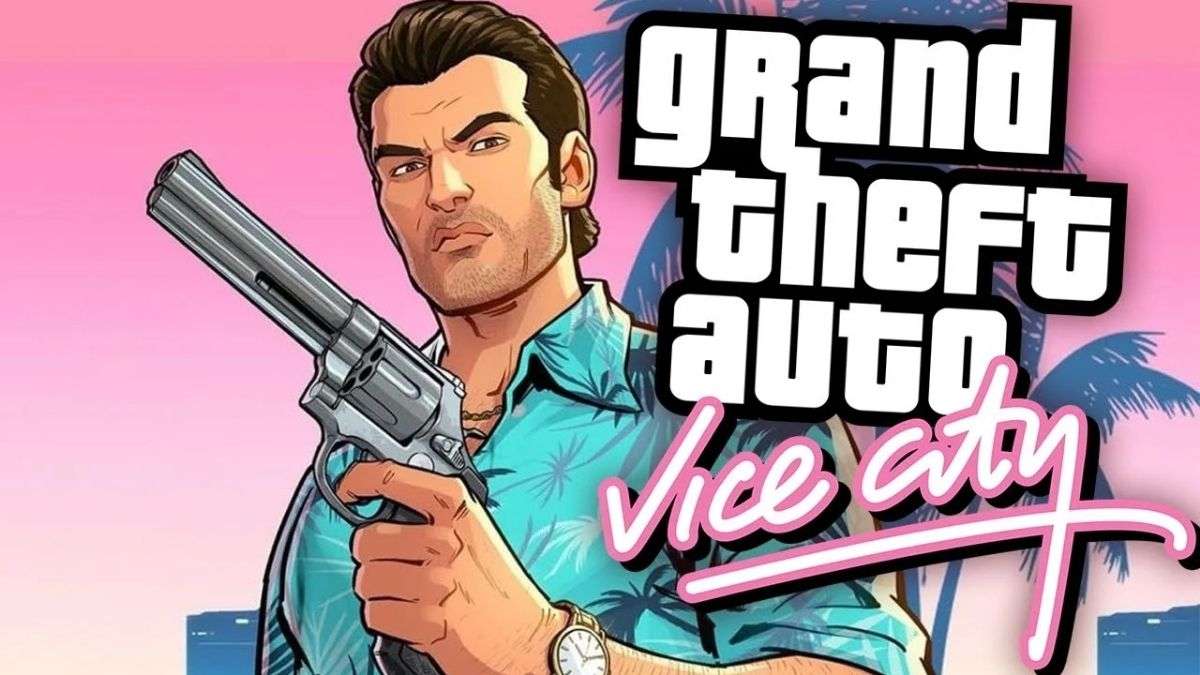
Grand Theft Auto: Vice City is often praised for its style and atmosphere, but one of its most lasting strengths lies in how effectively it teaches players its geography, as repeated missions, failures, vehicle choices, chases, and property systems all contribute to building spatial familiarity over time.
The process happens gradually, as players move through the same roads repeatedly, learn from mistakes, and begin to recognize patterns, until the city no longer feels like something viewed through a minimap but something understood directly.
Although some systems have aged poorly and can feel inconvenient compared to modern standards, they also create a deeper connection to the map, since players must rely on memory rather than constant guidance.
In contrast to larger modern worlds that prioritize scale and convenience, Vice City offers a smaller but more learnable environment, where repetition turns streets into knowledge and navigation becomes instinctive.
You begin the game exploring Vice City, but by the end, you understand it.
Frequently Asked Questions
Is GTA Vice City still worth playing in 2026?
Yes, especially for players interested in classic open world design, compact maps, and mission-based progression, although its controls and checkpoint systems may feel outdated compared to modern games.
Why does Vice City’s map remain memorable despite being smaller than modern open worlds?
Because its compact design forces repeated interaction with the same locations, allowing players to learn the geography through experience rather than relying on navigation systems.
Should new players learn the map before rushing through missions?
Yes, since understanding major roads, bridges, and useful locations can significantly reduce frustration and improve efficiency during missions.
Why is vehicle choice important in Vice City?
Because different vehicles affect speed, handling, durability, and escape potential, making the right choice crucial depending on the situation.
Do properties matter beyond making money?
Yes, as they give different areas functional importance and help players organize the city mentally while progressing.
Has Vice City’s mission design aged well?
Only partially, since while many missions remain engaging, limited checkpoints and older mechanics can feel frustrating by modern standards.
Why do police chases feel different once players know the city?
Because familiarity allows players to choose routes strategically instead of simply following directions, improving their chances of escape.
What makes Vice City different from much larger modern open worlds?
It prioritizes familiarity over scale, allowing players to learn and remember the map deeply, which gives its smaller world lasting impact.