



1. Volleyball Legends Feels Competitive Because No Player Gets to Control the Rally for Long
The most interesting thing about Volleyball Legends is how quickly possession leaves your hands. In many competitive games, a strong player can hold the ball, slow the action down, and decide what should happen next. Volleyball does not give you that luxury. You receive, set, attack, or block, and within seconds the responsibility has already moved to someone else.
That structure changes the psychology of every rally.
A perfect receive is not a finished play. It is an invitation for the next teammate to do something useful with it. A good set still depends on whether the attacker reads the timing correctly. Even a powerful spike can become meaningless if the opposing defense is already positioned for it. Each action is temporary, but its consequences continue through the rest of the rally.
This makes Volleyball Legends feel unusually demanding despite its accessible controls. Beginners often focus on the moment they touch the ball. Experienced players think several touches ahead. They are not only asking whether they can make the receive. They are already considering where the setter is standing, which attacker has space, whether the block is forming, and where they need to move after their own contact ends.
That difference becomes obvious in stronger matches. A chaotic team treats each touch as an isolated event. Someone saves the ball and everyone reacts afterward. A coordinated team treats the rally as one continuous sequence. The receive already anticipates the set. The set is chosen based on the block. The attack is aimed toward the space the defense has left behind.
No individual player owns that sequence completely.
That is precisely why mistakes feel so visible.
A poor first touch can force an awkward set. The awkward set limits the attacker. A desperate attack gives the opponent an easy counter. The original mistake may have happened several seconds earlier, but the entire rally carries its consequences forward.
Volleyball Legends becomes addictive because responsibility is constantly passing between players. You rarely get enough time with the ball to solve everything yourself.
You simply have to make your part of the rally good enough for someone else to continue it.
2. The First Touch Is Often More Important Than the Final Spike Everyone Remembers
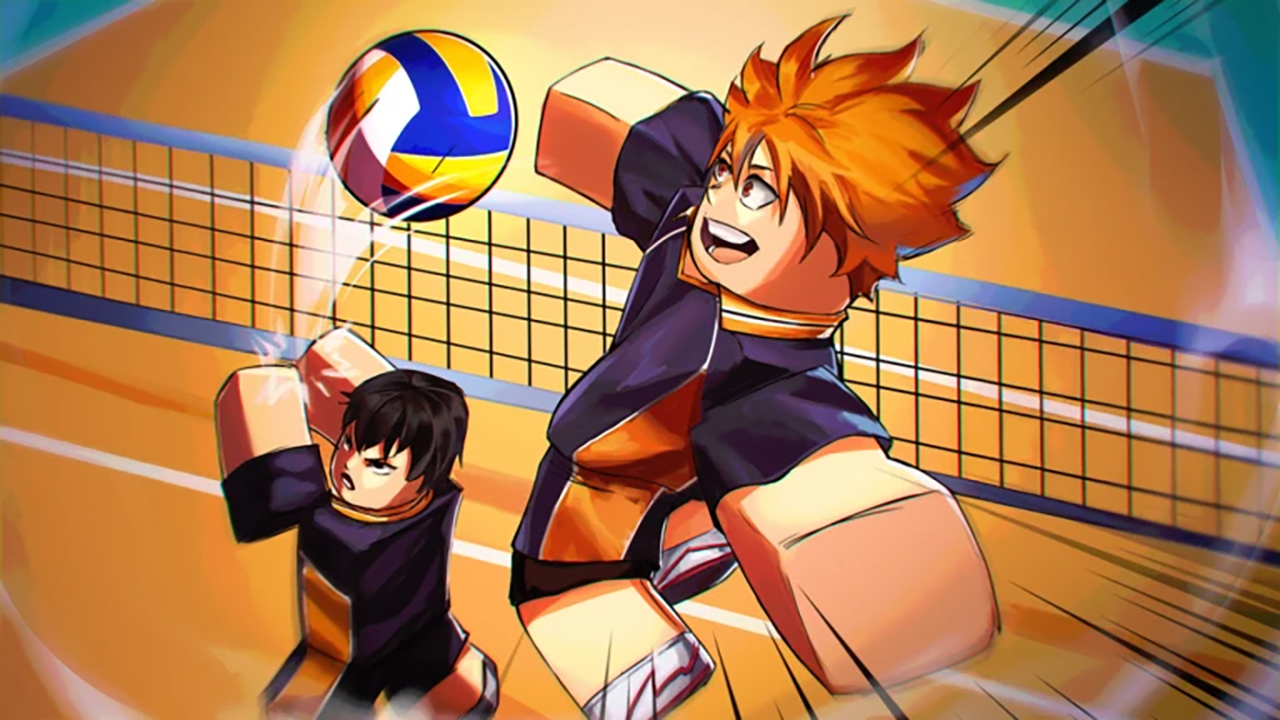
Spikes receive most of the attention because they are visually satisfying. They end rallies, create dramatic moments, and give attackers the clearest opportunity to look dominant. Yet many of the best attacks in Volleyball Legends are decided before the hitter ever leaves the ground.
A clean receive changes everything.
When the first touch is controlled, the setter has options. The attack can come from different positions, timing becomes harder to predict, and the opposing blockers have less information about what is about to happen. A poor receive does the opposite. The set becomes obvious, movement becomes rushed, and the entire offense shrinks into whatever emergency solution is still available.
This gives defensive consistency enormous value. A player who rarely produces spectacular highlights may still be the reason the team can run organized offense at all. Reliable receives stabilize everything that follows.
Beginners often underestimate this because the scoreboard rarely explains who created the attack. The final hitter gets the obvious reward, while the player who turned a difficult serve into a perfect first touch may disappear from attention immediately afterward.
That invisibility is part of what makes volleyball teamwork interesting.
Good players gradually stop judging contribution only by points. They notice who consistently keeps difficult balls playable. They recognize the teammate who positions early instead of diving late. They understand that a rally can be saved long before it looks dangerous.
I found that matches became much easier to read once I stopped following the ball exclusively and started watching what happened before the attack. Strong teams did not simply spike harder. They arrived at the attacking phase with more choices.
That is the real advantage of a good first touch.
It does not guarantee a point.
It prevents the team from becoming predictable before the attack has even started.

3. Great Setters Do Not Simply Put the Ball in the Air. They Decide Which Defender Has to Be Wrong
Setting looks simple until the opposing team begins reading patterns.
At a basic level, the setter’s job appears obvious: place the ball where an attacker can hit it. At a higher level, the setter is deciding which part of the defense will be forced to make a difficult choice. Repeating the same option may still produce good attacks, but eventually blockers begin moving earlier because they already expect where the ball is going.
This turns setting into a game of information.
The setter watches which attackers are ready, where blockers are leaning, how clean the receive was, and whether the opponent has started anticipating a pattern. Sometimes the most powerful attacker is not the correct choice. Sending the ball somewhere less obvious can be more dangerous simply because the defense has committed elsewhere.
That creates one of the most satisfying forms of improvement in Volleyball Legends. New players think about making a playable set. Experienced players think about disguising intention.
The difference is subtle but important.
A predictable setter can make excellent technical touches and still make life easier for the opposing defense. A creative setter may occasionally choose a less obvious option precisely because unpredictability has value of its own.
Trust also matters enormously. Attackers need confidence that the set will arrive where expected, while setters need to know which teammates can adjust when the first contact is imperfect. That relationship develops over repeated matches and becomes especially noticeable when playing with familiar teammates.
Volleyball Legends is at its best when setting feels less like passing and more like directing traffic under pressure.
The setter may not score the point.
But they often decide which attacker gets the easiest version of it.
4. Blocking Is Less About Jumping Higher Than Making the Attacker Lose Their Favorite Option
Blocking creates some of the most dramatic moments in Volleyball Legends because the result is immediate. A clean rejection feels decisive, especially against an attacker who has been scoring repeatedly. Yet effective blocking begins before the jump.
The first task is reading intent.
Attackers reveal information through positioning, approach timing, favorite angles, and repeated habits. Some prefer attacking aggressively whenever the set is comfortable. Others change direction frequently but become predictable under pressure. The more rallies you play against someone, the easier it becomes to recognize what they want before they actually do it.
A good blocker uses that information to reduce options rather than trying to cover everything.
This is important because attempting to stop every possible angle usually leads to late reactions. Strong blocking is often about taking away the attacker’s preferred solution and forcing them toward a less comfortable alternative.
That also helps defenders behind the block. When the front line closes one area consistently, the back court can position for the remaining space. Suddenly defense becomes coordinated instead of reactive.
This is where inexperienced teams often collapse. Blockers jump independently, defenders chase whatever looks dangerous, and nobody knows which area is actually being protected. Everyone is trying to save the same rally, but their decisions overlap rather than support one another.
Disciplined teams look calmer because responsibilities are clearer.
The blocker does not need to stop every spike directly.
Sometimes the best block is the one that never touches the ball but forces the attacker to hit exactly where the defense was waiting.
That kind of success is quieter than a spectacular rejection.
It is also much harder to play against.

5. Rotation Errors Hurt More Than Missed Spikes Because They Break the Shape of the Entire Team
One of the easiest ways to misunderstand Volleyball Legends is to treat positioning as something that matters only when the ball is approaching. Strong teams are already reorganizing before the next touch happens. Players rotate, cover open zones, prepare for transition, and constantly adjust their spacing depending on where the ball is likely to go next. When that structure disappears, even mechanically talented players can look strangely ineffective.
A common mistake is chasing the ball too aggressively. One player moves out of position to make a save, another follows because they expect the next touch, and suddenly an entire section of the court is empty. If the rally continues, the team has to recover while the opponent is already preparing another attack. The original save may have looked impressive, but the defensive shape was damaged in the process.
Good rotation prevents these situations from becoming emergencies. Players trust that someone else is covering a particular area instead of trying to solve every problem personally. That trust reduces unnecessary movement and allows the team to respond faster when the ball changes direction.
The same principle applies after attacking. A hitter cannot simply watch the result of the spike. The team immediately needs to prepare for a block, deflection, or counterattack. Players who admire their own play for half a second too long often discover that the rally has already moved somewhere else.
This creates a rhythm that separates organized teams from chaotic ones. Strong teams seem to arrive early because they are continuously moving into the next structure before the current action has completely finished.
Volleyball Legends rewards this awareness more than flashy movement.
The best rotation is often invisible.
You only notice how important it was when nobody performs it.
6. Serving Becomes Dangerous When You Stop Treating It as a Free Way to Start the Rally
Serving is easy to underestimate because it happens before the rally becomes complicated. There are no blockers in front of you, no teammate demanding an immediate decision, and no chaotic scramble around the ball. Yet a good serve can determine the quality of everything the opponent does afterward.
The goal is not always to score directly.
A difficult serve can force an uncomfortable receive, which limits the setter, which makes the next attack easier to predict. The point may eventually be won several touches later, but the advantage began with the serve.
This makes target selection important. Serving repeatedly toward the strongest receiver may accomplish very little, while testing a player who has shown poor positioning can gradually destabilize the entire opposing formation. Teams that recognize this begin treating serves as strategic pressure rather than routine restarts.
Patterns matter as well. If every serve goes toward the same area, receivers adjust. Changing depth, direction, or target can create hesitation even without increasing raw power.
The strongest servers also understand risk. An aggressive attempt may create immediate pressure, but a mistake gives away the point without forcing the opponent to earn anything. Playing too safely creates the opposite problem and gives the other team an ideal first touch.
That balance makes serving more psychological than it initially appears.
You are not simply putting the ball into play.
You are deciding how comfortable the opponent should be when their offense begins.

7. Volleyball Legends Becomes Hardest When Players Carry the Previous Rally Into the Next One
Fast matches create a particular kind of pressure because there is very little time to recover emotionally. A missed receive, failed block, or poorly timed attack can happen and then the next serve arrives almost immediately. Players who continue thinking about the mistake often make another one before they have mentally reset.
This creates losing streaks that are not always caused by mechanical disadvantage.
One error creates frustration. Frustration produces rushed movement. Rushed movement leads to another bad touch, and suddenly a close match begins slipping away through decisions that normally would have been simple.
Experienced players handle this differently. They treat each rally as a separate problem. A mistake may provide useful information, but it does not become a reason to change everything emotionally. They return to position, identify what went wrong, and prepare for the next serve.
This mental reset is especially important in team play because frustration spreads. One player begins forcing attacks, another stops trusting the set, and communication becomes less clear. The team can lose structure long before the scoreboard makes the collapse obvious.
Comebacks usually begin when someone restores normal rhythm. A controlled receive, safe set, or simple defensive stop can stabilize the team more effectively than attempting an immediate spectacular play.
Volleyball Legends rewards composure because rallies happen too quickly for emotional recovery to be postponed.
The strongest players are not the ones who never make mistakes.
They are the ones who prevent one mistake from becoming three.
8. Volleyball Legends Is Worth Playing in 2026 Because Every Role Depends on Someone Else Doing Their Job
Volleyball Legends succeeds because it makes individual responsibility important without allowing one player to control everything. Attackers can dominate highlights, setters can shape offense, defenders can stabilize difficult rallies, and blockers can completely change where opponents feel comfortable attacking. Yet every role depends on someone else creating the conditions for it to work.
That dependence gives the game strong replayability. A great attacker feels completely different when paired with an unreliable first touch. A skilled setter becomes far more dangerous when teammates understand spacing and timing. Strong defense can keep weaker offensive teams competitive long enough to find opportunities.
The weaknesses are equally tied to teamwork. Public matches can become frustrating when players chase the ball, ignore rotations, or compete for the same role. Skill gaps are noticeable, and certain abilities or playstyles may occasionally influence balance more heavily than players would like. Fast rallies also mean mistakes can feel punishing because there is little time to recover before the next situation begins.
Still, the foundation works because the sport itself creates natural interdependence. Unlike games where one mechanically gifted player can simply hold possession and dominate every sequence, Volleyball Legends constantly forces responsibility to move.
That makes improvement more interesting. Better players do not simply spike harder. They receive more consistently, position earlier, understand coverage, recognize opponent tendencies, and make their teammates’ next actions easier.
For players who enjoy competitive Roblox sports games, anime-inspired presentation, fast team play, and a mastery curve built around timing and coordination, Volleyball Legends remains worth playing in 2026.
The best feeling is not always scoring the final point.
Sometimes it is making the touch that allowed the point to exist at all.

Conclusion
Volleyball Legends looks simple when reduced to its basic actions. Receive the ball, set it, attack, defend, and repeat. The depth appears when those actions stop being viewed individually and start becoming parts of one continuous sequence.
A good receive creates multiple attacking options. A smart set manipulates the block. A disciplined blocker narrows the court for defenders behind them. Proper rotation ensures the team is ready when the rally unexpectedly continues.
This chain of responsibility is what gives the game its identity.
The strongest players understand that their touch is temporary. They are not trying to control the entire rally alone. They are trying to leave the ball in a better situation for whoever must act next.
The game can become frustrating when coordination collapses, especially in public matches where communication and positioning vary dramatically. Competitive balance may also shift as abilities and playstyles evolve.
Yet Volleyball Legends remains compelling because teamwork is not an optional bonus layered over individual mechanics.
Teamwork is the mechanic that connects everything else.
Every rally asks the same question in a different way:
Can six separate decisions become one successful play?
Frequently Asked Questions
Is Volleyball Legends worth playing in 2026?
Yes. It remains a strong choice for players who enjoy fast competitive matches, anime-inspired sports gameplay, team coordination, and a learning curve based on positioning, timing, and prediction.
Is Volleyball Legends difficult for beginners?
The basic actions are easy to understand, but coordinated matches can be challenging. Beginners often need time to learn spacing, rotations, defensive coverage, and when they should leave the ball for a teammate.
What is the biggest mistake new players make?
Chasing the ball constantly. Players often abandon useful positions because they want to make every touch themselves, which creates open areas and disrupts team structure.
Are spikes the most important part of the game?
No. Spikes score many points, but strong attacks usually depend on good receives and accurate sets. Defensive consistency often determines whether the team can create quality attacking opportunities at all.
How important is setting?
Extremely important. A setter influences which attacker receives the ball, how predictable the offense becomes, and how much time blockers have to react. Strong setting creates multiple options instead of repeatedly using the same attack.
How can players improve at blocking?
Focus on reading attacker habits, positioning, and timing rather than jumping at every opportunity. Good blockers try to remove preferred attacking angles and coordinate with defenders behind them.
Why is positioning more important than reaction speed?
Good positioning reduces how far a player needs to move once the ball is hit. Anticipating likely outcomes allows experienced players to arrive early instead of relying on desperate reactions.
What gives Volleyball Legends long-term replayability?
Replayability comes from changing teammates, different opponent tendencies, role specialization, improving timing, learning rotations, and developing better team coordination. The mechanics remain familiar, but every rally changes depending on how six players interpret the same situation.