





1. Project Egoist Is Most Interesting Because Everyone Enters the Match Wanting to Matter
Project Egoist creates an unusual problem before the ball has even started moving. Almost everyone wants to be important. Players want possession, opportunities, dramatic abilities, decisive goals, and the moment that makes everyone else notice what they just did. That ambition fits the anime-inspired identity perfectly, but it also creates the tension that makes matches far more interesting than a simple soccer simulation.
You notice it immediately when several attackers occupy the same area because everyone wants the next pass. One player receives the ball and ignores an obvious teammate because taking the shot themselves feels more satisfying. Another repeatedly calls for possession even though moving away would create more space. None of these choices are mechanically difficult. They happen because players want to become the protagonist of the possession.
Strangely, that selfishness is not entirely a flaw. Project Egoist needs ego because ambition creates confrontation. Aggressive players challenge defenders instead of always choosing the safest option. Confident strikers attempt shots that can completely change a match. Rivalries develop because one player wants to prove they can stop another.
The problem appears when ambition loses context. A striker who demands every attack becomes predictable. A playmaker who refuses to release the ball turns creativity into delay. Someone who constantly chases highlights may produce one spectacular moment while quietly damaging five possessions around it.
The strongest players eventually learn something the game never needs to explain directly: being important and touching the ball constantly are not the same thing.
Project Egoist becomes competitive because every player wants influence. The real skill is learning how to create that influence without making the entire team revolve around you.
2. You Can Usually Tell Who Understands Soccer by Watching Them When They Do Not Have the Ball
The easiest players to notice are usually the ones carrying possession. The more revealing players are those standing somewhere else.
Off-ball movement quietly separates experienced players from people who only understand individual mechanics. A good run can drag a defender away before the pass is even attempted. Moving wider can create space centrally. Delaying a run by one second can prevent two teammates from occupying the same lane. None of these actions produces an immediate highlight, yet they can determine whether an attack has anywhere useful to go.
Newer players often follow the ball too closely. Everyone compresses into the same area, passing lanes disappear, and defenders suddenly have an easier job because they no longer need to cover the entire field. The team feels active, but very little useful space remains.
Good players behave differently. They understand that distance from the ball can be valuable. Sometimes the best way to help the person in possession is to move farther away, forcing a defender to choose between following you and protecting another area.
This creates one of Project Egoist’s most satisfying learning curves because improvement becomes visible in the shape of the field rather than only through better mechanics. Matches start looking less chaotic once players understand where they should exist relative to one another.
The irony fits the game perfectly. A title built around ego eventually teaches players that one of the smartest ways to become dangerous is accepting that you may not receive the ball at all.
Your movement can still decide what happens next.

3. A Great Striker Is Defined by the Shots They Refuse to Take
Scoring naturally receives the most attention in Project Egoist. Goals create the dramatic animations, the chat reactions, and the moments players remember afterward. That visibility makes it tempting to judge strikers entirely by how aggressively they shoot.
The better distinction is shot selection.
A player who shoots whenever space appears briefly may score spectacular goals, but they also waste possessions that could have developed into something better. Defenders begin recognizing the pattern. Once they know the striker always chooses the same aggressive answer, anticipation becomes easier.
Dangerous attackers create uncertainty. They might shoot, continue moving, release the ball, or use the attention they attract to open another player. The defender cannot commit comfortably because the possession has several possible endings.
This makes restraint surprisingly powerful. Passing when everyone expects a shot can destabilize a defense more effectively than forcing another attempt. Delaying an attack can draw pressure forward and create space behind it. Even abandoning a personal scoring opportunity may lead to a much easier finish for someone else.
That can be difficult psychologically because Project Egoist celebrates individual expression so strongly. Players naturally want the satisfying conclusion themselves.
Yet high-level attacking becomes more interesting when goals stop being the only measurement of influence. A striker who constantly forces defenders to adjust may control a match even during periods when they barely score.
The best attackers still want the decisive moment.
They simply understand that sometimes the fastest way to create it is convincing everyone they are about to do something else.
4. Defensive Players Are Easy to Ignore Until One of Them Controls an Entire Match
Attackers receive most of the visual attention in anime sports games, but Project Egoist becomes much harder when a defender understands how to make the field smaller.
Strong defenders do not need to win possession every few seconds. Their influence often appears through options that disappear. A passing lane closes before the ball carrier notices it. A striker receives the ball facing the wrong direction. An attacker chooses a safer pass because the obvious route feels too dangerous.
These small victories rarely look spectacular, but they change how the opposing team behaves.
Aggressive defenders sometimes create the opposite effect. Constantly chasing tackles can leave huge areas exposed once the first challenge is avoided. The attempt looks proactive, yet the entire defensive structure becomes dependent on winning immediately.
Disciplined defenders are more uncomfortable to face because they make fewer promises. They maintain useful distance, protect the most dangerous areas, and wait for attackers to reveal what they actually intend to do.
A particularly good defender can change the reputation of an entire side. Players begin avoiding their area or releasing the ball earlier than usual. That psychological effect matters because an opponent who expects pressure may make a rushed decision before the defender has done anything.
Project Egoist is strongest when defense feels like controlling behavior rather than simply stealing possession.
Goals decide the score, but defenders can decide which kinds of goals are even available.

5. Abilities Become More Dangerous When They Stop Being Your Entire Personality
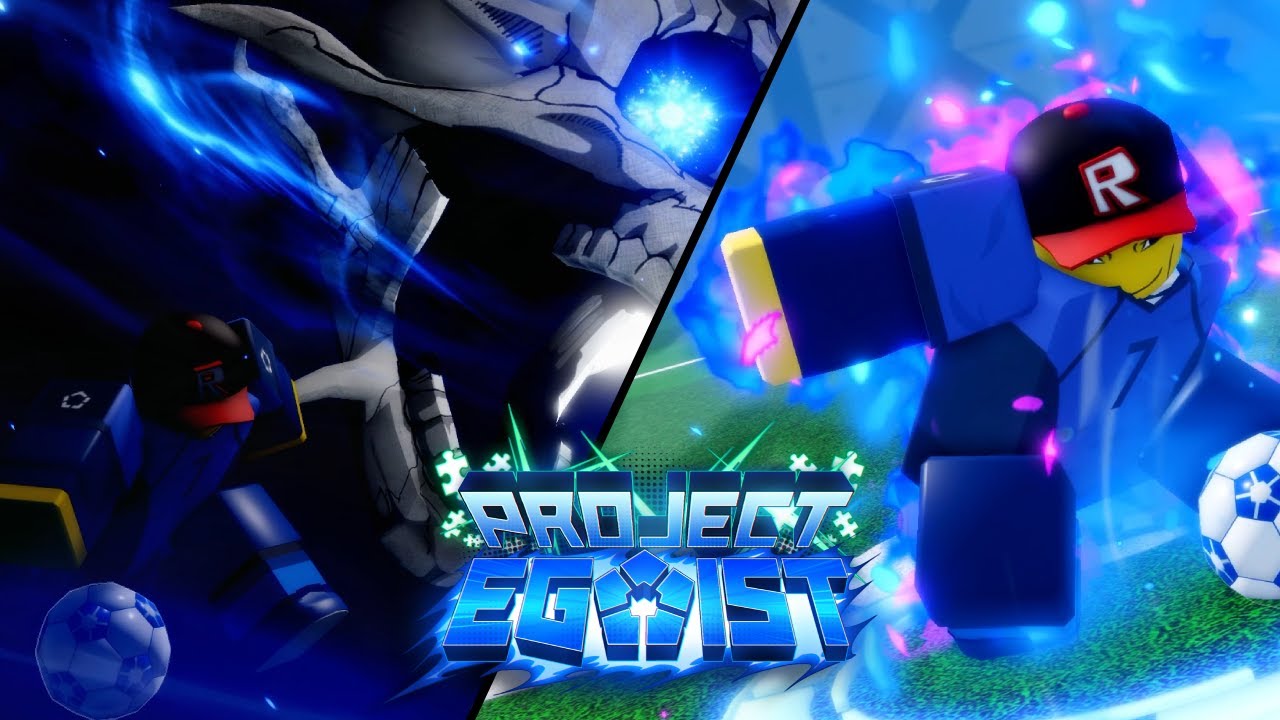
Anime-inspired abilities give Project Egoist its spectacle and allow players to develop recognizable styles. They can create explosive acceleration, unusual attacking angles, dramatic finishes, and moments that separate the game visually from conventional soccer.
The danger is becoming dependent on them.
Once opponents recognize that every attack begins with the same ability, a powerful tool becomes advance warning. Experienced players start positioning for what they expect rather than reacting after it happens. A move may remain mechanically strong while becoming strategically weaker because everyone already knows the script.
The best ability usage therefore happens inside ordinary soccer rather than replacing it. Simple passing establishes rhythm. Normal movement creates expectations. Only then does the special option appear, ideally at the moment when defenders have already committed to something else.
This also makes different playstyles feel more personal. Two players can use similar abilities yet create completely different problems. One may attack immediately whenever the tool becomes available, while another saves it for transitions or uses its threat to create opportunities elsewhere.
Progression feels meaningful when new unlocks expand these choices rather than simply increasing power. Players gain another way to express how they want to influence the pitch.
Project Egoist loses some tactical depth whenever abilities become automatic solutions. It becomes significantly better when abilities operate like punctuation.
They should emphasize the play.
They should not become the entire sentence.
6. Reputation Starts Changing Matches Once Players Recognize What You Usually Do
Repeated competition creates something progression systems cannot unlock: reputation.
After enough games, players begin recognizing habits. Someone becomes known for shooting quickly. Another almost always passes after drawing two defenders. One defender constantly challenges early, while another waits and forces attackers into uncomfortable positions.
Once opponents remember those tendencies, the match changes.
A player who repeatedly succeeds with the same approach may suddenly find that everyone is prepared for it. Their usual move is not necessarily weaker, but the element of surprise has disappeared.
This creates an advanced layer of competition built around breaking your own patterns. The striker known for selfish attacks becomes more dangerous after making two unexpected passes. A defender who normally waits can surprise an opponent with early pressure. A playmaker can deliberately repeat one pattern until the defense begins anticipating it, then exploit the reaction.
These adaptations create personal rivalries even without formal storytelling. Facing a familiar opponent feels different because both players carry information from previous encounters.
That makes Project Egoist especially entertaining when a community becomes competitive enough for individual styles to develop recognizable identities. Players stop responding only to characters and abilities.
They respond to people.
At that point, improvement is no longer simply learning what your own tools can do. It means understanding what other players believe you are going to do and deciding whether that belief can be used against them.

7. Real Improvement Happens When You Become Useful During Possessions That Are Not About You
Early progress in Project Egoist is easy to recognize. Controls become smoother. Shots improve. Abilities become easier to use. Players stop making obvious mechanical mistakes.
The next stage is less visible.
Experienced players begin contributing during possessions where they never receive the ball. They create passing options, occupy defenders, protect against counterattacks, and recognize when another teammate currently has the better opportunity.
This is a difficult adjustment in a game that encourages individual ambition. Being useful without becoming the center of attention can feel less satisfying than scoring, yet it often produces more consistent victories.
A player who understands this becomes easier to play alongside. Teammates know there will be an available outlet. Defensive transitions become safer because someone already considered what happens if possession is lost. Attacks become less crowded because every player is not competing for the same moment.
Individual skill still matters enormously. Someone needs to beat defenders, create openings, and finish difficult chances. The difference is that advanced players understand when the match requires them to become the star and when it requires them to support someone else.
That flexibility is a better measurement of mastery than highlight frequency.
Project Egoist begins with the fantasy of becoming the most important player on the field.
Its deeper lesson is that truly dangerous players can influence the match even when nobody is watching them.
8. Project Egoist Is Worth Playing in 2026 Because Its Biggest Conflict Exists Between Players, Not Systems
Project Egoist does not need an enormous open world or complicated PvE progression to generate replayability. The field remains interesting because every group of players interprets competition differently.
Some teams move the ball willingly. Others contain several players fighting silently for possession. Certain matches become tactical and patient, while others collapse into aggressive attempts to create individual highlights.
That inconsistency can be frustrating. Team coordination varies enormously, experienced opponents can make the learning curve feel harsh, and balance around specific abilities or styles can influence how fair certain matchups appear. Players who dislike depending on strangers may find defeats particularly irritating when individual ambition destroys otherwise promising attacks.
Yet those same tensions give Project Egoist personality.
The game works because ego is both useful and dangerous. Confidence creates attackers willing to attempt difficult plays. Too much confidence creates predictable selfishness. Teamwork produces better opportunities, but excessive caution can remove the individual creativity needed to break a strong defense.
Project Egoist is therefore most compelling when players constantly negotiate between those extremes.
For fans of competitive Roblox sports games, anime-inspired presentation, mechanical improvement, and player-versus-player adaptation, it remains an engaging experience in 2026. Its best matches are not simply battles between two teams trying to score more goals.
They are battles between several players trying to prove they matter without becoming the reason their own team stops functioning.

Conclusion
Project Egoist succeeds because its central contradiction is built directly into every match. Soccer requires cooperation, yet nearly everyone wants to become the decisive individual. That conflict creates selfish attacks, brilliant improvisation, unnecessary mistakes, unexpected assists, and moments where one player completely changes how the opposing team behaves.
The game becomes more rewarding once players stop measuring influence only through goals. Off-ball movement, defensive discipline, passing decisions, adaptability, and even reputation can shape a match before the scoreboard reflects anything.
Its weaknesses remain real. The skill gap can intimidate beginners, teamwork with strangers is unpredictable, and balance changes can make particular abilities frustrating. Still, the competitive foundation is strong because other players continuously create new problems.
Project Egoist asks everyone to become exceptional.
The players who last longest are usually the ones who learn that being exceptional does not always mean being the person who takes the final shot.
Frequently Asked Questions
Is Project Egoist worth playing in 2026?
Yes, particularly for players who enjoy competitive soccer, anime-inspired abilities, PvP improvement, and matches where individual expression must constantly be balanced against team structure.
Is Project Egoist mostly about individual skill?
Individual mechanics matter greatly, but players who ignore positioning, passing, off-ball movement, and teammates become predictable. Strong individual skill becomes far more effective when used within a functional team.
Is Project Egoist difficult for beginners?
It can be. Experienced players understand spacing, player tendencies, ability timing, and movement patterns that newcomers may not recognize immediately. Beginners usually improve faster by learning positioning and simple team play before chasing advanced highlights.
Should strikers shoot whenever they have an opening?
No. Shot selection matters. Passing, delaying the attack, or attracting defenders before releasing the ball can create much stronger opportunities than forcing every possible attempt.
How important are anime abilities?
They are important tools and contribute heavily to individual playstyles, but relying on them too predictably makes players easier to defend. Fundamentals and timing determine how effective those abilities actually become.
Can defensive players have as much impact as scorers?
Absolutely. Strong defenders can remove passing lanes, force attackers into predictable areas, create turnovers, and influence where opponents are willing to attack without needing spectacular plays.
What is the biggest mistake new players make?
Many players follow the ball too closely or constantly demand possession. This compresses space and makes attacks easier to defend. Learning where to move without the ball is one of the fastest ways to become more useful.
What gives Project Egoist long-term replayability?
Replayability comes from improving mechanics, developing a recognizable playstyle, learning opponent tendencies, adapting to different teammates, and discovering new ways to influence matches beyond simply scoring goals. Because human players constantly change how they react, the same tools can create very different matches.